Runs Humanex Academy, a small private school south of Denver serving neurodivergent students in grades 6 through 12, as the sole administrator on campus — no assistant principal, no admissions director, just her and a psychologist co-lead.
Kati Cahill has spent 15 years at the school and is now in her ninth year as Head of School. She's a longtime member of the Ruckus Maker Club and Mastermind and one of Digital Danny's most active users.
Most delegation advice assumes you have people to delegate to. Kati Cahill runs a school where she is most of the admin team — which means every process, checklist, and judgment call has lived in her head for years.
This episode is about what happens when she started using an AI thought partner to get those systems out of her head and into playbooks someone else could actually run.
💟 What You'll Learn
- How to turn the systems only in your head into playbooks someone else can run.
- How a backward-planning 90-day entry plan can surface exactly which team members should own which piece of your vision.
- How to build a reusable "wins" template that turns a year of staff stories into ready-to-use morale boosts.
- Why defining one repeatable belief statement does more for staff buy-in than a mission statement on a wall.
- How to keep an AI thought partner open all day without it becoming another distraction.
📚 Key Insight #1: The Systems Only You Know Aren't a Real Delegation Plan
- What's broken: Leaders running lean admin teams hoard institutional knowledge as undocumented routines only they can execute — admissions, scheduling, the paper checklists on their desk.
- The shift: Talking a process out loud to an AI thought partner turns stream-of-consciousness knowledge into a documented, step-by-step playbook someone else can follow.
- Impact: Kati mapped her entire admissions process — work she does alone with no admissions director — into a clear flow she can hand off instead of running solo.
📚 Key Insight #2: A 90-Day Entry Plan Built Alone Never Gets Real Owners
- What's broken: Most entry plans get mapped out solo in a Google Doc, following wherever the leader's own thinking goes, and stall because no one else is attached to them.
- The shift: Walking the backward-planning process step by step with an AI thought partner, instead of freehanding it, surfaced exactly which team members needed to own which piece of the vision.
- Impact: Kati ended up with named owners across four columns — communication, academics, culture, and operations — and had meetings scheduled with them before the school year started.
📚 Key Insight #3: A Year of Staff Wins Gets Told Once, Then Forgotten
- What's broken: Schools collect real wins all year — a parent thank-you, a staff success story — but never build a system to bring them back when morale needs it.
- The shift: Dropping a year's worth of remembered wins into an AI tool produced a reusable template: what the win was, why it matters, and when to use it.
- Impact: Kati now has a living reference she can pull up in a staff meeting or newsletter — including a parent email she added to it the day before this recording.
💬 KATI CAHILL QUOTES FROM THE RUCKUSCAST
"I have a lot of systems in my head that I just do because I've always done them."
— Kati Cahill
"I don't have an admissions director."
— Kati Cahill
"Belonging creates the space for growth."
— Kati Cahill
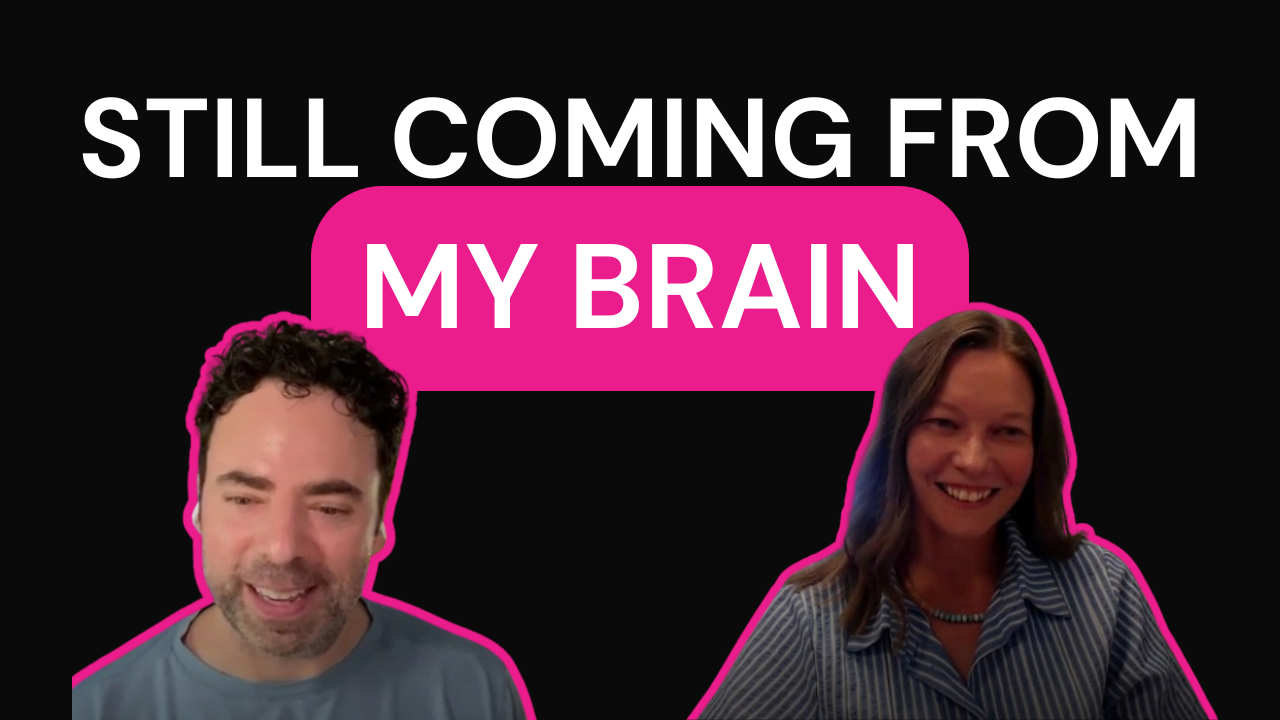
"It's not — Digital Danny is not writing my newsletter for me. That's still coming from my brain."
— Kati Cahill
"I think just the sustainability piece of it has been huge as a tool."
— Kati Cahill
🏋 Your Do School Different Challenge
Ready to implement? Start here:
- Tomorrow: Pick one task you run entirely from memory and talk it out with an AI thought partner until it becomes a written, step-by-step playbook.
- This Month: Run your own 90-day (or next-90-day) planning conversation and name one specific team member to own each pillar — communication, academics, culture, and operations.
- This Semester: Start a running "wins" log with what happened, why it matters, and when to use it, so you can pull out a specific story the moment staff morale needs it.
⌚️ Episode Timestamps
- 00:00 - Turning the systems in your head into playbooks
- 04:13 - Leading a school with no assistant principal
- 07:05 - A solo retreat that led to staying
- 13:36 - Inside the Mastermind hot seat and book study
- 21:16 - Using Digital Danny to stop overthinking
- 24:08 - Building a 90-day entry plan by department
- 33:38 - Turning staff wins into a shareable template
- 37:03 - Defining one belief to repeat all year
- 42:34 - Why Digital Danny stays open as a tab
- 48:00 - The takeaway on making the job sustainable
00:03
Speaker 1
I have a lot of systems in my head that I just do because I've always done them. And I think a big takeaway I've had with the Ruckus Maker Club and Mastermind is this idea of starting to delegate some pieces. And so I've been using Digital Danny a lot lately, trying to get these systems in my head into kind of playbooks of how I could start to hand it off to other people and train other people. So I just did one recently for our admissions process. I mentioned we're a really small school. I also do the bulk of the admissions work. I don't have an admissions director. So just mapping that out so that there is a clear flow and it's not just all these paper checklists on my desk has been huge.
01:00
Speaker 2
You know that career quiz that tells a kid that they'd be great at healthcare and then nothing happens? Next Orchard goes further. Every student builds an actual plan with steps they can take. This week you can see it for yourself by going to BetterLeaders Orchard. That's BetterLeaders Orchard Careers. Want to know how top schools create collaborative learning environments that actually work? ODP Business Solutions has equipped innovative educators for over three decades. Visit ODP business.com education and let's make a ruckus together. That's ODP business.com education IXL takes the guesswork out of lesson planning for teachers. IXL's ready made lesson plans are aligned to your textbooks and state standards so teachers can turn to IXL for the exact content they need to help their students. You can get started [email protected] that's ixl.com leaders. Here's a question for every principal listening.
02:22
Speaker 2
When was the last time someone coached you? You develop everyone else in your building, but who's in your corner? Kids First Education is this episode is brought to you by Kids First Coaching and support built for the people who lead schools. Start at Kids First LLC Leaders. That's Kids First LLC Leaders. There's a framework that built called the ideal week. It saves principals about 10 hours a month once they implement the system. Digital Danny can walk you through your version of the Ideal Week. Tonight create your ideal week and [email protected] ruckus that's my principalcoach.com ruckus. Okay. And Kati, welcome to this show.
03:21
Speaker 1
Thank you. Super excited to be here.
03:23
Speaker 2
Absolutely. We were having fun trying to retrace the steps of like how you arrived at this point right now and loosely it was like oh listen, the podcast Join Some program. Join the Ruckus Maker Club, eventually Mastermind, which is awesome. And I invited you here too, because I know that Digital Danny is one way that I could support a lot of school leaders at scale. So it's something I'm very focused and excited about. But you're also one of the power users. Right. I can see that you're having chats and you've commented about value and we'll dig into that. But before we kind of get into those things, just so the Ruckus Maker engaging with today's show kind of gets to know you. Can you give some context about. Yeah. Where you lead, school leadership and anything else you want to throw in there?
04:13
Speaker 1
Absolutely. So I am based just south of Denver, Colorado and I'm the head of school at humanex Academy, which is a small private school for neurodivergent learners. And we work with 6th through 12th graders. And so really small team. I'm the B principal. There's no ap. Our psychologist, Tom Welch is kind of my other half admin wise. And so he and I have really built the program. The school's been here since 1983, but I've been at the school now. I just finished my 15th year and going into my ninth year as head of school.
04:54
Speaker 1
So, yeah, super excited to talk about how Digital Danny has helped to kind of support the many hats that I think all principals wear and I think really has been a great like thought partner, you know, in those times when I don't necessarily have somebody to just brainstorm ideas with in the moment.
05:18
Speaker 2
Right. Yeah. You know, because masterminds once a week. Sure. You could post things in the club. I need to get back to everybody that's been posting. I took a lot of time off for my birthday and there's like so many things, but specifically for leaders like you too. Right. You don't have this massive admin team to support you. Right. So I imagine that you feel the weight and the responsibility of that. Right. Because you are it. You're the leadership.
05:48
Speaker 1
Yes. And not within a district either. So no. Even other building leaders necessarily. And I think honestly that was the biggest pull to the Ruckus Maker Club and the mastermind. It's just needing that community of folks who have experienced this very specific leadership role that, you know, kind of stands alone and is different than a lot of other leadership roles in companies or businesses.
06:19
Speaker 2
Sure. When you were listening to the show back, I mean, I'm hoping you still.
06:24
Speaker 1
I still do.
06:25
Speaker 2
I'm not gonna ask her now. Are you Gonna listen to this episode?
06:29
Speaker 1
I don't know about that. We'll see.
06:33
Speaker 2
But I'm always really curious, like, you know, listen, I talk about things I enjoy talking about. I. I get to work with great people. We support amazing school leaders. So the job is fun. It's very rewarding, satisfying, you know, et cetera. But I'm curious, I don't know if there was a moment or just sort of like a message or a vibe, like, what. What were you connecting with, Right. That led you to raising your hand and like joining whatever program that was back in the day, and then the club, the Mastermind, and everything else.
07:05
Speaker 1
Yeah, I. I think really that idea that we have to take care of ourselves first to be able to show up as our best selves at work and with our families and in all of our relationships. I think. I don't know that moment in time, which was probably three or four years ago. So I was in maybe year four of my leadership role. The burnout was hitting, you know, and just trying to figure out, can I. Is this sustainable? Can I keep doing this? And I think just hearing that continuous message across topics of whatever the podcast was, that. That always seemed to be and continues to be a key focus area. That. That's the starting point. I remember.
08:02
Speaker 1
I don't know if this was on the podcast or maybe it was the program that I joined, but that idea of doing like your self leadership retreat, so just like taking time away. Oh, was. Was that. That ring a bell? I mean, I know that a key concept.
08:20
Speaker 2
Yeah. You might. You might have been in the remarkable vision formula.
08:23
Speaker 1
Yes. Or I read the book or.
08:26
Speaker 2
Yep.
08:26
Speaker 1
Yeah. And I did. I took a weekend, I went and stayed at a hotel, and I like, walked around and walked through it, and it was like just this moment where I felt like, okay, I can keep doing this. And then I think to hearing from different leaders about the Ruckus Maker Club and Mastermind, and again, just going back to that thought of having some community and somewhere where I can once a week say, oh, my gosh, this happened, and somebody else saying, oh, that's happened to me too, and it's not a failure or something. That's just happening in my building. Even though sometimes that's what it feels like in the moment.
09:09
Speaker 2
Yeah, it could feel. It could feel that way. But that's one of the things that I love about that community is it just normalizes the playing field. Like, yeah, other people are experiencing this. There's nothing wrong. My leadership or my students or My staff, like, this stuff happens within the US Nation, within North America, within the world, depending on the group you're in. And then obviously, if people say, oh, yeah, that happened to me, here's what. What helped. Yeah, that's really helpful to you. Right? To solve it. But also, I love the Mastermind in the sense of. You know, you were talking about what I call him, Wild Bill Marble. Right. But Wild Bill and other. And other school leaders, but just getting an inside look on how they process, how they think about issues. Right. Like that.
09:53
Speaker 2
That, to me, is exponential value, because it's a PhD in leadership every week in the sense that here's how other leaders process and think and solve problems. And that's really valuable to me. So I'm so proud of you for taking, like, a couple days in a hotel. You know, you write about things, you talk about things. You encourage people to do it. Of course, with people I work very closely with, you hear those stories, and I'm glad we made time today so I could hear a bit of your story. But leaders should do that, right?
10:29
Speaker 1
I know. I was like, I need to do it this year. Not just one time.
10:32
Speaker 2
Right.
10:33
Speaker 1
I need to do it every year.
10:34
Speaker 2
Listen. And I practice what I preach. Right. I noticed that. Oh, I've actually gotten off of sort of a meeting cadence with myself and with my team, you know, the mastermind coaches. So internally, we've made a number of changes so that our communication is flowing more consistently. And then we have a strategic meeting coming up actually in two weeks. And then for me, I also scheduled, actually quarterly off sites. One day I want to visit fun places in the U.S. i haven't been. And so I'll go do a day, like, of adventure and exploring, and also a day of sort of just unplugging and dreaming about, okay, what do we need to do next? How to serve school leaders. And so. Yeah. But did you stay close? Did you stay far? If you don't want to tell us.
11:22
Speaker 1
Where you stayed, that's okay. Yeah, it was just right in town, but.
11:26
Speaker 2
Okay. But it was. It was a break from the routine.
11:28
Speaker 1
It was a break. Yeah, exactly two days.
11:31
Speaker 2
You said you walked around, journaled. Were there any. Can you remember? Were there any breakthrough moments or. I don't know.
11:37
Speaker 1
I don't. I don't remember. I mean, I do think it was. It was really just, like, a time to like, take a deep pause inside and. And make the decision that I wanted to continue being a part of what I've been doing and building. You know, it's been an interesting journey being at one school primarily for my time prior. Prior to this, I was in environmental education and doing a lot of, you know, more alternative kinds of teaching. And so to stay in one place, I mean, I moved all the time as a kid every three years. So Denver is the place I've lived the longest in my life. This is. I've stayed at this school for a super long time.
12:22
Speaker 1
And so it's been an exciting journey to watch the evolution of it all and be a part of it and then eventually drive that building of it. So.
12:34
Speaker 2
So we can chalk that up to breakthrough because making a decision to stay in the game is a pretty big one.
12:39
Speaker 1
Yeah, for sure.
12:40
Speaker 2
And, and if you chose to walk away, that would have also been the right decision. But you made the time and space to figure out what the answer was. And it wasn't a gut or I trust my gut a lot. So I don't want to make that sound bad. It wasn't like an impulsive thing.
12:57
Speaker 1
Right.
12:57
Speaker 2
Like, oh, today was bad. Forget it. Yeah, like, yeah. You really thought about it deeply.
13:03
Speaker 1
Cool.
13:04
Speaker 2
Great. I'd love to hear specifically, like, I. Let's talk a little bit about Mastermind, then we'll get digital. Danny. But mastermind wise, I mean, obviously you've already hit on community piece. I talked about getting to see, you know, kind of how other school leaders think. Yeah. But just maybe to somebody who's watching, listening to this, like, how do you. How would you describe the experience? And then. Yeah, what. What are the other sort of like, benefits that you see? Like why you keep coming back?
13:36
Speaker 1
Yeah, the experience. You know, I love that it's the same group week to week. I mean, you know, certain people have things that come up and they can't make it every week, but in general, you know, we have the same group of people. So it really becomes kind of this safe place of being able to share openly. And, you know, we always check in at the beginning with wins of the week and one big thing, which I think is just a really great way to reflect, spend some time reflecting on really what are those wins and celebrate with one another and then intentionally put out to other people just kind of that accountability piece of like, here's what I'm working on. Which always sparks up some conversation, too, of, you know, okay, cool.
14:20
Speaker 1
I'm also, you know, in that similar timeline of the school year, or I just finish that. You've got this and just kind of that encouraging community piece. I love that we have the book Study aspect of it. I love books, so I find that really beneficial to, I think, also just have that accountability piece with one another of reading a book with a group of people and discussing it keeps me on track so I don't set it aside. And then, you know, months later, oh, yeah, I was going to read that book. And just. I think all of the books have been really valuable. I love that they're not always education leadership books.
15:04
Speaker 1
While those have such a great space, I think it's really interesting to think about our roles as leaders in general and how we can bring different aspects of leadership from other businesses and organizations into schools. And then the hot seat is the other big piece. So once a week, somebody knows ahead of time that they're going to be on the hot seat and bring a problem they're working through to the table, and all the other members get to ask questions to clarify and then really give some feedback or advice. And I love being on the hot seat. I never would have said that at the beginning. I mean, I would always be like, oh, it's my turn, what am I going to talk about? But, you know, you get more and more comfortable.
15:53
Speaker 1
And I also love being on the other end because I love hearing what other people are experiencing and going through. And it's so often something that I relate to. And so I am often taking notes when somebody else is presenting the hot seat while other people are giving feedback because it's super valuable to all of us. So, yeah, it's such a great thing to have on the calendar, and I look forward to it and look forward to seeing the folks who are in the group and coming together. Yeah.
16:27
Speaker 2
You know, double clicking on that idea of just enjoying when other people are on that hot seat, because not only do you get to see how people process, you know, the challenges they're facing and how they even talk about it, too. Right. The language they use and that shows you a lot about mindset. What's helpful, what's not helpful. In addition to. In addition to that piece, I think it reminds you of stuff that, you know, you should be preparing for. Right. So that's helpful. But also there's times where you hear about something that you haven't experienced yet, but you are going to experience at some point. Right. And so in some ways, I think that helps you be a little more proactive because you'll be less blindsided by the thing, whatever that is. Who's your coach? Which coach do you have?
17:11
Speaker 1
Jason.
17:13
Speaker 2
Jason. Okay. What? Do you mind? I'd love to Give him a shout out. Like, what's one thing you like about him?
17:19
Speaker 1
I think just, I think Jason brings such a great energy as a leader of our group. I also feel like he and I have a lot of similarities. So, you know, he'll talk about his experiences as a leader and just, you know, sometimes overthinking things or people pleasing tendencies, which maybe these are just characteristics of a lot of school leaders. But then, you know, just how he's managed working through them. He really gives such great examples. We tend to have often a quiet group or we like really wait for somebody else to speak up first before jumping in. So he just does a really nice job of supporting all of us, I think, in prompting and sometimes filling in that space with his own leadership examples from when he was in schools and does a really great job.
18:09
Speaker 2
I think that is something interesting. Maybe too. I forget to talk about sort of the silence and the waiting because principals are so busy doing, doing, getting stuff done throughout the day. Then they're dropped into this space where we're going deep and like exploring all the different corners of school leadership. And there can be silence for an extended amount of time. Right. I remember back in the original days of when I was facilitating that experience, I'm thinking like, oh, God, everybody hates being here. No one's talking, they hate me, they're leaving tomorrow. But then I just embraced wait time, just like I did as a teacher. People were processing. Right. And they were thinking deeply and the conversations would then flow. But that's good to hear that Jason helps with that too. He's also really humble.
18:58
Speaker 1
Right.
18:59
Speaker 2
He's like a big deal. He's the executive director of the National Indian Education association and like speaks to Congress and stuff. Right. So. Yeah. Yeah. So shout out to Jason. Absolutely. Yeah. Just such a great leader. You mentioned the books and that you enjoy, you know, you've enjoyed. Has there been a. What's been maybe your top book or a book that really resonated with you?
19:23
Speaker 1
Oh, gosh. Then I have to remember all the titles. The one we.
19:27
Speaker 2
But you could even just explain like what you learned or like an idea.
19:31
Speaker 1
Yeah, the one we just read on Non Violent Communication, which when I first saw that title, I was, you know, like, I'm not sure what we're getting into here, but it was so practical.
19:42
Speaker 2
Yeah, screw this.
19:44
Speaker 1
No, but it was, it had such practical applications and, you know, it was super insightful into things we could just take away and put into practice right away, which I really loved.
20:02
Speaker 2
Yeah, you Know, I, I, that book was recommended to me and I was, it was really changing my thinking a lot about like, yeah, the words we use and how we dialogue, especially in conflict and that kind of thing. But I found it was actually helping me in my relationships. Yeah, right. Family, marriage wise, like this kind of stuff. I was thinking, okay, this will definitely help in schools. But I kind of want to challenge everybody to read it because I think it'll help in relationships, partners, children. Right. And that kind of thing. So that's cool to hear that you resonated with that. So awesome. Thank you. So, yeah, Digital Danny, right. He's, he's a new thing, a new tool. You use him. You seem to enjoy working with him and I am, I'm super biased. I think he's great. Right.
20:58
Speaker 2
And I want all school leaders to use him, but that's not going to happen. And what I'm more interested in is just hearing from real people like you, like, why do you use them? Why do you see value in it? So what are some of the things that you bring to those discussions that you're comfortable sharing?
21:16
Speaker 1
Yeah. So, you know, as I was prepping for this, I was kind of trying to think about the categories of kind of when I pull Digital Danny up, I do think it's when I'm kind of in those moments of overthinking in my head and so it can be a great just thought partner of getting out what I'm thinking. And Digital Danny does a great job of asking follow up questions which I really like rather than maybe some of the other AI options where it's like, that's a great thought. It doesn't necessarily.
21:53
Speaker 2
You're the smartest person ever. Yeah.
21:55
Speaker 1
Yeah. What a great idea. Thank you. So I like that it asks these clarifying questions to really kind of like hone into the root of whatever the topic is. So that's been super helpful. I think the other big piece has been I have a lot of systems in my head that I just do because I've always done them. And I think a big takeaway I've had with the Ruckus, Maker Club and Mastermind is this idea of starting to delegate some pieces. And so I've been using Digital Danny a lot lately trying to get these systems in my head into kind of playbooks of how I could start to hand it off to other people and train other people. So I just did one recently for our admissions process. I mentioned we're a really Small school. I also do the bulk of the admissions work.
22:55
Speaker 1
I don't have an admissions director. So just mapping that out so that there is a clear flow and it's not just all these paper checklists on my desk has been huge. And then also scheduling is another one that before I was the principal, I did the scheduling. I never handed that off. Once I stepped into the principal role, I kept doing it. And so I feel like those are two pieces that I've sort of identified as areas that I could start to hand off to other members of my team. And so using Digital Danny to kind of put my brain out there and then have it help me start to kind of map it out into these playbooks that other team members could use has been super helpful. Right.
23:45
Speaker 2
So I'm hearing when you're overthinking, creating systems and then effectively delegating.
23:52
Speaker 1
Yeah.
23:52
Speaker 2
To teammates, and maybe it's already embedded in those three categories. But are there any moments where he. He maybe changed your thinking? You know, you came in.
24:01
Speaker 1
Oh, yeah.
24:02
Speaker 2
Seeing things a certain way, and then you laugh like, oh, yeah, that I'm gonna now think about it this way.
24:08
Speaker 1
Yeah, I definitely think so. I'm trying to think of maybe a specific instance I did. So another tool that I use every year is the 90 day entry plan. I think that might have been another one of the, like, programs I did before or maybe right after I started the Ruckus Maker club. But using that tool, which I think is another great thing Digital Danny does, is, like, point to those tools that already exist. And so, you know, I've done it before where I've sort of just mapped it out in a Google Doc and kind of gone where my brain has taken me. And this time, I went through each step with Digital Danny, and it was just such a great reminder of that, like, backward planning method, starting with that 90 day vision and thinking about going the other direction.
25:00
Speaker 1
And so I started that process this summer thinking about, what is my 90 day entry plan? Like, what are all the things I need to do? And what I ended up with at the end of it was what team members am I pulling in to make that 90 day vision a reality? And so now my, like, communication column, my academics column, and my culture column, and I'm missing one. Oh, operations Column.
25:29
Speaker 2
Operations.
25:30
Speaker 1
Yeah. Like, I have people from my team that are now connected within those different columns based off the prompts that Digital Danny put out there as I was going through the 90 day entry plan process, which was huge.
25:46
Speaker 2
Awesome.
25:46
Speaker 1
Yeah. And then I have steps of like, okay, now do I. How do I make sure I engage those people and do it in a way where it's not, hey, this is my idea. This is what we're doing. But, you know, get that buy in. Get everyone on the same page working toward that vision.
26:04
Speaker 2
That is really cool. Proud of you on that. Have you started that process, talking with your teammates, I guess, and staff and who's owning that work?
26:14
Speaker 1
I've initiated and scheduled the meetings to get together. So that's kind of okay where that's at. Yeah. Without trying to overwhelm people in the middle of summer. So they're on the calendar. I have dates on the calendar, which is huge.
26:29
Speaker 2
Yeah, that is huge. Step one, step one. Making it real. Telling people. I mean, we, like I said, we just picked our date for the. Our mastermind coach strategic session. And that's not mapped out, but I know people are coming. So now I gotta get ready, right? So sometimes. Sometimes jumping right?
26:48
Speaker 1
Or.
26:49
Speaker 2
Seth Godin taught this to me. He. He said, you know, how do you win a video game? Right? And people are like, oh, you're smart. Or, you know, I don't know what the right answer is. Everybody was wrong, though, because, like, his point of view was the way you win Game show is that you. You hit the button first before everybody else. Because what we do is we. We censor ourselves. Do I know the answer? Do I not? You know, you think about it, da, da. And that. That's not how you win a game. Short, you gotta hit that button. So by putting it on the calendar, you're hitting the button, and now you gotta figure it out. But it's just a good thing. So I wanna encourage. Encourage you there. Quick word from our partner. Orchard here's a student you already know.
27:37
Speaker 2
Good grades, no discipline issues, never shows up on a single report as a problem. Then senior year hits, and they're sitting in the counselor's office, panicking, with no direction, no goals, no plan for what's next. They were invisible until it was almost too late. Orchard catches that kid early. Early enough for you to do something. Every student builds a career plan starting as young as middle school. And counselors can see exactly who's falling behind by grade before it becomes a crisis. That's how you shift from reacting to leading. Learn for yourself. See it for yourself. At BetterLeaders Orchard Careers. That's BetterLeaders Orchard Careers, ODP Business Solutions, formerly Office Depot Business Solutions division, has been a trusted partner for schools for 30 years. At ODP Business Solutions, we're by your side to meet your evolving education needs.
28:43
Speaker 2
Remember that feeling when you wanted to upgrade your learning spaces, but the budget said maybe next year? Here's what most people don't know. ODP Business Solutions doesn't just offer competitive pricing. We give you access to negotiated cooperative contracts that maximize every dollar. Want proof? We helped the Baldwin School District transform their entire campus while staying under budget. How? By combining smart design with smarter purchasing. From essential supplies to cutting edge tech, from sustainable cleaning solutions to flexible furniture, we're your one stop shop to do school different. And the best part? You can get it all from a single supplier that helps you simplify ordering and streamlining budgeting while staying compliant with easy access to cooperative contracts. However you want to advance, ODP Business Solutions has 30 years of experience helping districts like yours get ahead. Visit ODPbusiness.comeducation to learn more.
29:46
Speaker 2
That's ODPbusiness.com education what makes an assessment effective? I would argue giving teachers access to quick, reliable and useful results that inform the next best steps for teaching. And that's where IXL really stands out. Teachers get powerful insights into student performance on a daily basis so they can address issues the moment they arise. Imagine that adjusting instruction in real time before it's too late. Your teachers have a tool that helps them be even more effective. And your students? They grow. And they grow. Check it out for [email protected] leaders that's ixl.com leaders here's something we don't say enough. The person that's holding a school or district together is often the one that gets the least amount of support. Principals, assistant principals, district leaders. You're coaching everybody else. Kids First Education is built to support you, and the results speak for themselves.
31:00
Speaker 2
99% Of educators found their kids first coach knowledgeable. Nearly all said the sessions they led connected to the district's priorities. And 98% of participants walked out ready to use what they learned that week. That's what happens when professional learning is designed around your context, not pulled off a shelf. Partner with Kids first and learn more at Kids First LLC Leaders. That's Kids First LLC Leaders. One of my favorite moments in coaching is when a principal realizes they don't have a problem, they just have a problem someone else has already solved. Meaning there's an automatic school tool that I've built for it. They just didn't know which one to grab. Reactive Calendar Then use the Ideal Week new principle Trying to figure out the first 90 days. Then you go to the entry plan bottleneck happening in Your own office. That's a lead domino conversation.
32:12
Speaker 2
I've built 36 tools across the automatic school framework. Most leaders don't need more strategy. They need the right tool applied in their exact situation. Tonight, Digital Danny does the diagnosis. He knows every tool I've ever built, when to use it, and how to walk you through it for your campus. You get started with Digital Danny at myprincipalcoach.com/ruckus. That's my principalcoach.com ruckus. You mentioned there's not a lot that you don't like about Digital Danny. Is there anything like that's annoying or hard or difficult that I can make it a better experience for you?
33:01
Speaker 1
You know, the only thing that comes to mind is just like past conversations. And maybe I just need to do a better job of starting a new conversation when I'm onto a new top. But I also know I can also just type in. Remember when were Talking about the 90 day entry plan, remind me what we said. So it's not a barrier. But sometimes I go back to that chat history and the topics that are there aren't necessarily organized in the way because I kind of just use it as a stream of consciousness. And maybe that's a user piece that I need to try to figure out too.
33:37
Speaker 2
Yeah, for sure.
33:38
Speaker 1
But otherwise, no. I mean, I think the other one that I wanted to make sure I mentioned was just supporting the storytelling of our school, which has been a big piece. We're a small school that serves a very specific population. And that communication piece. So one thing I did at the end of the school year with Digital Danny was I just threw in all these wins from throughout the school year that I had in my head that I remembered or that maybe staff members had brought up in their checkout meetings. And what was really cool is that Digital Danny suggested building a template that now I can use moving forward that had. It had three columns. So what was the win? I'm trying to think what the second one was. Maybe why it matters.
34:30
Speaker 2
Let me try to guess. Yeah.
34:32
Speaker 1
Yeah. What do you think? It's your brain.
34:36
Speaker 2
I'm thinking. He said you said already. Yeah, I was going to say that. Why? Does it matter? Yeah, he might have said what he might have said. What core value is it connected to? No, but I like, because a lot of times schools. Yeah, schools will do value work and then it's like, okay, it's on the. It's on the wall, but it means nothing. Right? So, like, connecting the dots is really important. Maybe he said, what would be the next step? To take it further.
34:59
Speaker 1
Does that mean kind of it would. Okay, when to use it. So, okay, so you like tell this story in a staff meeting when you need to boost staff morale. Like remind them of this impactful win we had or use this on a tour with a parent so they really understand the impact our small classroom sizes have. I'm. Those aren't actual ones, but yeah, you know, use this in a newsletter. And so the other thing I really like is it's not digital. Danny is not writing my newsletter for me. Like, that's still coming from my brain. But now I have this reference point of like, hey, you should really think about showcasing this because it really aligns with, you know, the mission and the vision of Humanx, of serving neurodivergent students in an environment that is meant for the way their brains work.
35:56
Speaker 1
And so I just think those little reminders or highlights are super huge. And now I have this template that I added a new page to yesterday because I got a parent email. And so I dropped the parent email. That was like a great, you know, thank you to the staff. And now I have that I could pull up it in service to be like, remember all of the greatness we did last year? Let's bring that energy this year. So that was a cool result.
36:26
Speaker 2
Very cool. You need it. The, the role is tough. Right. And things happen throughout the year and energy dips or whatever, but these are ways we can, you know, rally people back together. Awesome. I know in the, in the sort of. Before we hit record, you mentioned today's prompt and I'm not sure what it was. I don't know if you even remember, but I think weekly we put out sort of a prompt too that people might experiment with and use with digital Danny too. And there was something about today's that. That spoke to you, but if, yeah, if you have anything to add to it and why you found it meaningful, I'm all ears.
37:03
Speaker 1
Yeah, so I wrote it down so I wouldn't forget. I didn't write the whole thing, but essentially it was, you know, I love how you have kind of a copy and paste and then it's fill in the blank. So today's was about helping help me define my one belief for driving my leadership in the upcoming school year and then hone in on a single clear vision that I can repeat until my staff knows it by heart. And at humanex, we have this pyramid of personal growth skills that we use. Dr. Tom and I came up with This, I don't know, six or seven years ago. And it really is the core of the skills we're hoping our graduates leave with. And it starts with being curious, communication, accept support.
37:51
Speaker 1
So it's all of these skills that we all need as humans to be successful in the world. And so those are a part of our academic classes. They're part of how we're approaching conversations with students, when we're doing repair work, when there's disagreements. And so that's been our structure. There's 10 of them, which actually was not the plan, but it aligns beautifully with the school year. And so we focus one each month. But then I wanted this year to really kind of have this umbrella theme and it kept coming back to belonging. So I put in all this stuff to Digital Danny of what I wanted my focus to be. And it asked me some clarifying questions. Okay, I hear you, but what is the real piece of this?
38:37
Speaker 1
And so what it came down to then was this idea of my phrase is belonging creates the space for growth. And so it ties in this vision that we have for our graduates and that we're working on starting at 6th grade, all the way through 12th grade. Thinking about it from the perspective of staff, I want all of our staff to feel like they belong, you know, building that trust with staff, building that trust with students. And then once we set that stage, once people feel that sense of belonging, we can really start to see that growth, especially in our students who maybe weren't finding those successes in other school environments.
39:23
Speaker 1
And so it was just a really cool exercise to have the kind of the plug and play, but then put in my specific information about my school, my leadership, which I've been using it for a while now. So there's a lot of history saved and Digital Danny can just reference that. But then asking those follow up questions to get to this one phrase that, yeah, hopefully deaf, resonate with and are tired of hearing from me. No, just kidding. But I can repeat it, right?
39:55
Speaker 2
Maybe. Well, there was Jeff Weiner, who was a CEO of LinkedIn. I've said this a million times, right? But he would say that people aren't hearing you. They don't like know the mission and vision and what you're trying to accomplish until you, the leader, are sick of saying it.
40:11
Speaker 1
Totally.
40:12
Speaker 2
And I really like how he frames that because we think like leaders think. Oh, I've mentioned it. I put it, I put it in this one place. I sent it out on the newsletter, you know, I shared in the last staff meeting and now my job is done. Yeah, it really has just started, right? Unless you are like physically ill, I cannot talk anymore about belonging leading to growth. Right. I've hit my limit. That's the moment it clicks for people, right. So if you're not ill yet, you're not there. People don't know it. So.
40:45
Speaker 1
Cool.
40:46
Speaker 2
I'm glad, I'm glad you got a benefit there. Do you like interacting him more on like laptop computer or mobile? Like how do you work with him?
40:58
Speaker 1
Definitely, I like it better on my computer. I can just type faster than I can use my thumbs up. And yeah, I like having that just kind of a bigger view of the full conversation. So that tends to be. I tried to use it on mobile a few times and I just, I find myself going back to my computer. I also think then I just kind of get in that mindset of focusing on this is what I'm doing, my phone. I, as many of us, I'm sure again, get distracted by a million other things.
41:31
Speaker 2
Yeah, cats, right. I get it. And then how has it become a tool that, that you go to sort of like consistently and you find value and helpful? Because what boggles my mind, right, like on this side of things, people pay, right? Like it's not free. It's included in Mastermind membership. It's included, right. If we work together one one. But then there's folks that maybe that's out of reach, the time or the financial side of things. Okay, I can't do that, but I could do 350 for the year, 100 for 90 days. But some of those people, right, like don't log on, you know, like, whoa. Or, and I, I shouldn't say this because it's not true. People that buy just digital, Danny and log on, they're some of the biggest users now, right?
42:21
Speaker 2
Because they've been waiting for this tool and now they're running with it like crazy. But yeah, I'm just, I'm curious like how you remember that this is a support that's available, you know, to you.
42:34
Speaker 1
Well, I am using it through the Ruckus Maker Club. So I do think that's helpful because almost every morning you post something. So then I get a notification, which reminds me to open the Ruckus Maker Club. But when I, during the school year, when I get to work, I open the Ruckus Maker Club as one of my tabs. And it is just, it's a tab sitting in my millions of tabs. But I put it on the far left. So it stays open. And I think what's so great about it is because it's built on the podcast, it's built on your books, it's built on the tools that are in the Ruckus Maker Club. It almost is like this searchable library of all of that content.
43:20
Speaker 1
And so whereas in the past, before Digital Danny, I might have this idea and be like, okay, I think there's a tool somewhere that could help me with this. And then I'd usually search for it first, maybe post to see if somebody could tell me where it was, but it took a lot longer. Whereas now I can just kind of, you know, I can go straight to Digital Danny and say, this is what I am thinking. This is. There's some tool, I think, that exists for this. Help me out. And it pops right up. So I think just having it open in the morning, checking to see what that prompt was or what's been posted has been a huge help. And then just kind of having it there when I need it. So I'm not necessarily.
44:02
Speaker 1
Not like scheduled into my day, but it's sure has this kind of visual reminder, which is helpful for me.
44:09
Speaker 2
It has a presence. You know, I was curious how you might answer that. And I really appreciate, you know, your transparency there. So think it's helpful for people, you know, what I like to say. And, and I send this in the email when people sign up too. But in my view, have at least three tabs in your browser every day when you get to work. Right. Calendar. So you know what you're doing, what you said you would do. Hopefully you have. Have stuff on the calendar if you don't like, okay, we need to work on that. Have your goals up. Right. Like your 90 day.
44:40
Speaker 1
Right.
44:40
Speaker 2
And you've already brought that up. You've got your 90 day plan. So have that up and then open up Digital Danny or the club. Right?
44:48
Speaker 1
Yeah.
44:48
Speaker 2
Because you don't know when a staff member, student, they're gonna pop in and now you have to deal with it. And if you want some support or you find yourself, oh, I'm overthinking this. Let me go right there. You know, to get that support. So, yeah, it was really interesting to hear, you know, how you do that. I don't know. It makes sense to me.
45:08
Speaker 1
Yeah. And I've definitely used it for that. Like, you know, good. Had an interaction with a staff member and, you know, the other person I might brainstorm with is teaching a class or in a meeting and it's like I have to get, I have to think through this or it's going to be hard for me to move on and be present for the next thing. And so just having, you know, that space to get those thoughts out and get some coaching feedback, coaching about coaching has been very helpful.
45:35
Speaker 2
So interesting.
45:37
Speaker 1
Yeah. Wow.
45:38
Speaker 2
This has been really great. I, I appreciate all the insights and stuff.
45:42
Speaker 1
Absolutely.
45:42
Speaker 2
Also, you know, if the Ruckus Maker watching, listening to this Ruckus Maker Club, what's that all about?
45:48
Speaker 1
Yeah.
45:49
Speaker 2
You know, back in the day, that was more of an opportunity to connect and it was another thing that wasn't the mastermind or individual coaching. Right. And a little more accessible. You know, there's social media, there's, there's spaces. Right. That we could connect with others. I think a value. I know Demetrius told me, you know, Demetrius, Bob, he's like, he's pretty active in there. He's like, oh, I've gotten off most of social media because of Ruckus Maker Club.
46:15
Speaker 1
Yeah.
46:15
Speaker 2
Right. And I, I find that, you know, because it's not negative, you don't get the news, you don't get 10 million ads about stuff you don't want to buy, but then you find yourself.
46:24
Speaker 1
You do anyway.
46:25
Speaker 2
Yeah, yeah, yeah. So, you know, there's a lot of benefits and then there's just like really great people inside. But the reason I'm talking about this is, okay, it's private community just for Ruckus Makers. And I used to create a lot of courses. I would create a lot of stuff that you can go through. And I do recognize that takes time. Right. And I was getting a lot of questions. What course, what tool? You know, you probably asked me yourself.
46:50
Speaker 2
And so when I built Digital Danny, that was one big problem I was trying to solve for everybody, which is, okay, if Katie's talking about this thing, if he knows and he has sort of infinite memory and context of all this stuff we've built, if it's relevant, he could pull it out into this conversation and then say if you want to go deeper, like go here, but even better, right? Because I think you did go through the 90 day entry plan program. Now, you don't necessarily have to do the program. Right. You just actually need Digital Danny and some space on your calendar. Maybe you go to the hotel and you have the conversation and by the time you leave, the 90 day plan is done. Right.
47:28
Speaker 2
So I think that's really, you know, pretty cool from my view as well, so I know you prepared a lot, you know, for. For. For this conversation, and I could tell, and this has been a lot of fun. Did we miss anything that you wanted to. To cover?
47:43
Speaker 1
I don't think so. I think we ended up getting a majority of it through our conversation. Yeah.
47:49
Speaker 2
Great. Well, I love the end conversations with this question, which is just like, okay, we discussed a lot today. So for you, Kati, what's the Ruckus Maker to remember?
48:00
Speaker 1
Yeah, I think it's just this idea of using digital Danny as a tool to make the job more sustainable and being able to access these different tools so that then there is time and space to spend doing maybe what some might consider the more fun parts of interacting with all the people in the building, students and the staff, and probably what most of us signed up, you know, signed up for this job to do because we love working with teachers and students. And so I think just the sustainability piece of it has been huge as a tool.
48:43
Speaker 2
Hey, Ruckus Maker, thanks again for pressing play. I hope you enjoyed this show as much as I enjoyed recording it. And before you go, if today's episode shifted something for you where you want to do school different or you have a new idea about education, then I want to invite you to subscribe to Ruckusmakers News. That's our newsletter. And you get three new opportunities to do school different every week sent to your inbox. It's trusted by over 5,000 school leaders. And if you want to reimagine education within a traditional setting so that you could create a campus experience worth showing up for, subscribe for free at ruckusmakers News.
Transcribed by https://fireflies.ai/
🎧 Listen & Subscribe
Listen to Better Leaders Better Schools on Apple Podcasts, Spotify, Youtube or wherever you get your podcasts. If today's episode moved you, leave a review — it helps more Ruckus Makers find the show.
🧔🏻♂️ Your SelfMentorship Guide
Meet Digital Danny — your Self Mentorship guide. Always available, never forgets, and evolves with you. Think through your next leadership move at myprincipalcoach.com
🫶 Today's Ruckuscast Partners
IXL
IXL's adaptive platform finds every student's knowledge gaps, adjusts difficulty as they learn, and gives you a dashboard showing exactly where growth is happening.
🔎 Over 1 million teachers use it — get started at https://ixl.com/leaders
ODP Business Solutions®
ODP Business Solutions has supplied schools for 30 years — converting dead computer labs into STEAM centers, stocking multiple campuses, upgrading whiteboards to interactive displays — all from a single supplier through cooperative contracts.
🔎 Learn more at https://odpbusiness.com/education
Orchard
Orchard gives every student a personalized career action plan and scores readiness across 8 dimensions — a number you can take to your board.
🔎 See how it works at https://betterleaders.orchard.careers
Kids First Education
Kids First Education builds professional learning around your district's priorities, your data, and your classrooms — not pulled off a shelf — and 98% of educators walk out ready to use what they learned.
🔎 Partner with them at https://kidsfirst.llc/leaders
Twelve Practices LLC © 2026 | If Education Ain't a Bit Disruptive, Then What Are Your Students Learning?


